

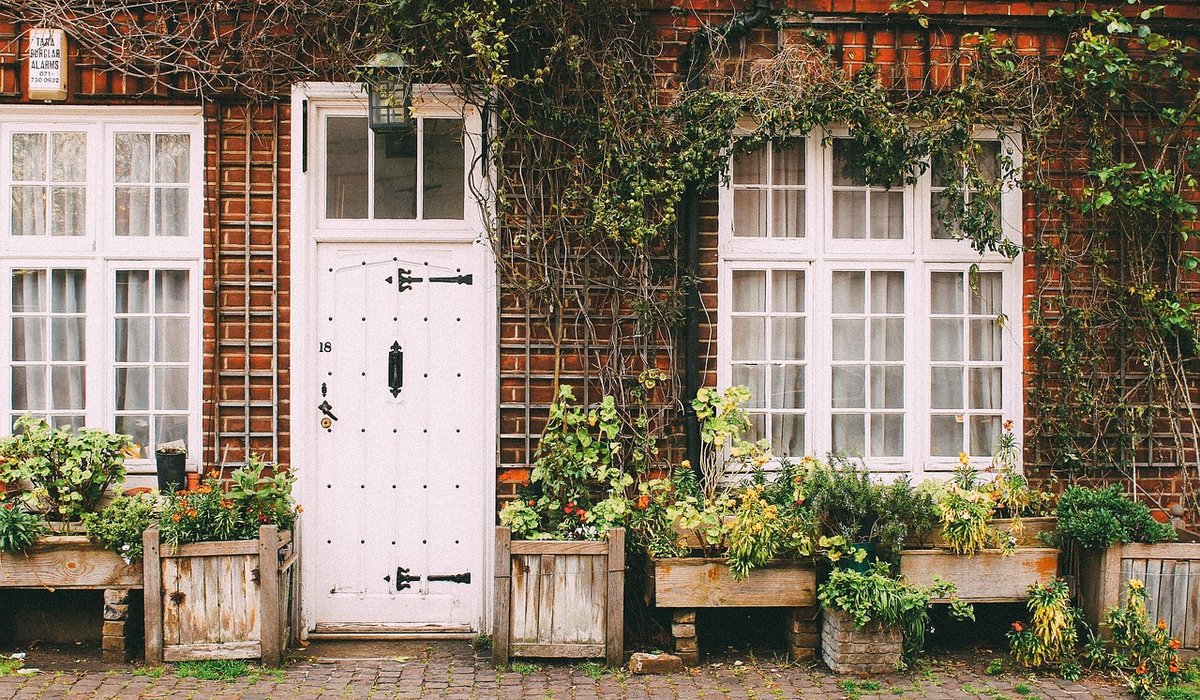
Getting to Know Your Coastal Mews
Period mews properties are some of the most charming homes in our coastal towns. Originally built as stables, coach houses, and servants' quarters, they sit tucked behind grand seafront terraces, offering a quiet, enclosed feel just minutes from the beach. But coastal living is tough on buildings. Salt-laden air, driving rain, and constant damp can take their toll on brick, timber, and metal. Before you start dreaming of paint colours and soft furnishings, spend time understanding what you are working with. A full structural survey is money well spent. It will tell you whether the roof is sound, whether there is rising damp, and if the brickwork has been damaged by frost or salt. Knowing the true condition helps you avoid costly surprises later and plan a sensible budget.
Prioritise Structural Repairs First
Your budget should go first to anything that keeps the building standing and dry. This is not glamorous, but it is essential. A leaky roof or blocked gutter can lead to far more expensive problems down the line, from rotten timbers to crumbling plaster. Deal with the envelope of the building before you touch a single interior wall.
- Roof: Replace missing slates or tiles, and check flashing around chimneys. In coastal areas, use stainless steel or copper fixings that resist corrosion.
- Gutters and downpipes: Cast iron is traditional but rusts quickly in salt air. Repair where you can, but consider replacing failed sections with powder-coated aluminium in a similar profile.
- Damp: Identify the source. Rising damp may need a new damp-proof course, but often the culprit is defective rainwater goods or high external ground levels. Fix those first.
- Timber: Treat any wet or dry rot immediately. Replace only the affected sections, splicing in new timber to match the original.
- Brickwork: Repoint with a lime mortar mix that matches the original. Lime is breathable and flexible, ideal for period properties and coastal weather.
If your budget is tight, tackle one structural item at a time. Start with the roof and rainwater goods, then move to walls and floors. A dry, stable shell is the foundation for everything else.
Retain Original Features Where Possible
Original features are the soul of a mews property. They tell the story of the building and add character that no modern replica can match. They are also a selling point. Whenever you can, repair rather than replace.
- Sash windows: A draughty sash window is not a lost cause. Overhauling the cords, pulleys, and weights, and adding draught-proofing strips, is far cheaper than replacement. If glass is cracked, use putty and matching glass.
- Stable doors and ironwork: Keep original timber doors, hinges, and latches. Strip off layers of paint to reveal the grain, then wax or oil.
- Fireplaces and stoves: Even a simple cast iron grate or a brick surround can be restored. Sweep the chimney and fit a cowl to stop downdraughts.
- Brick and stone walls: Avoid covering them with gypsum plaster. Use lime render or breathable paint instead.
- Cobbles and paving: If you have original cobbles or flagstones, lift and relay them rather than replacing with concrete.
Retaining these details costs less than a full modern refit and keeps the property's value and charm intact.
Simple Updates That Add Character
Once the structure is sound and the original features are secure, you can turn to cosmetic work. The trick is to do less, but do it well. A full refurbishment is rarely necessary. Simple, thoughtful updates can transform a space without breaking the bank.
- Paint: A fresh coat of breathable paint in a soft coastal palette can lighten dark mews rooms. Choose off-white, chalky blues, or warm greys. Paint the ceiling and walls in the same colour to blur the edges.
- Lighting: Replace tired pendant lights with simple wall sconces or a mix of table lamps. Warm white bulbs (2700K) create a cosy glow. Avoid cold, bright downlights.
- Flooring: If original floorboards are beyond saving, lay reclaimed boards or wide-engineered oak. Rugs add warmth and hide imperfections.
- Kitchens and bathrooms: You do not need a full replacement. Painting cabinet doors, changing handles, and adding a new worktop can transform a kitchen for a fraction of the cost. In the bathroom, re-enamelling a bath or re-grouting tiles works wonders.
- Textiles: Heavy curtains, linen throws, and wool cushions soften hard surfaces and add coastal character.
Focus on one room at a time. Live with the space before you commit to expensive changes.
Budgeting and Sourcing Materials
A realistic budget is your best tool. Add a contingency of at least 15 per cent for unexpected finds, which are almost guaranteed in period properties. Then stick to your priorities. It is better to do the structural work properly and live with dated decor than to rush a cheap refurbishment that fails within a few years.
- Salvage yards: Great for period doors, window frames, fireplaces, tiles, and ironmongery. Prices are often negotiable.
- Online marketplaces: Look for reclaimed timber, bricks, and architectural salvage. Be prepared to travel.
- DIY where safe: Painting, stripping, and basic landscaping are jobs you can do yourself. Leave gas, electrical, and structural work to qualified tradespeople.
- Phase the work: Break the project into stages. Complete one room or one structural element before moving on. This spreads the cost and lets you learn as you go.
With patience and a focus on what really matters, your coastal mews can become a comfortable, characterful home without a full refurbishment. Prioritise the bones, keep the soul, and let simple updates do the rest.


Coding is used in almost all aspects of life and work now, be it directly or indirectly. It’s not just for companies in the tech sector. “An increasing number of businesses rely on computer code,
Coding is used in almost all aspects of life and work now, be it directly or indirectly. It’s not just for companies in the tech sector. “An increasing number of businesses rely on computer code,
Coding is used in almost all aspects of life and work now, be it directly or indirectly. It’s not just for companies in the tech sector. “An increasing number of businesses rely on computer code,