

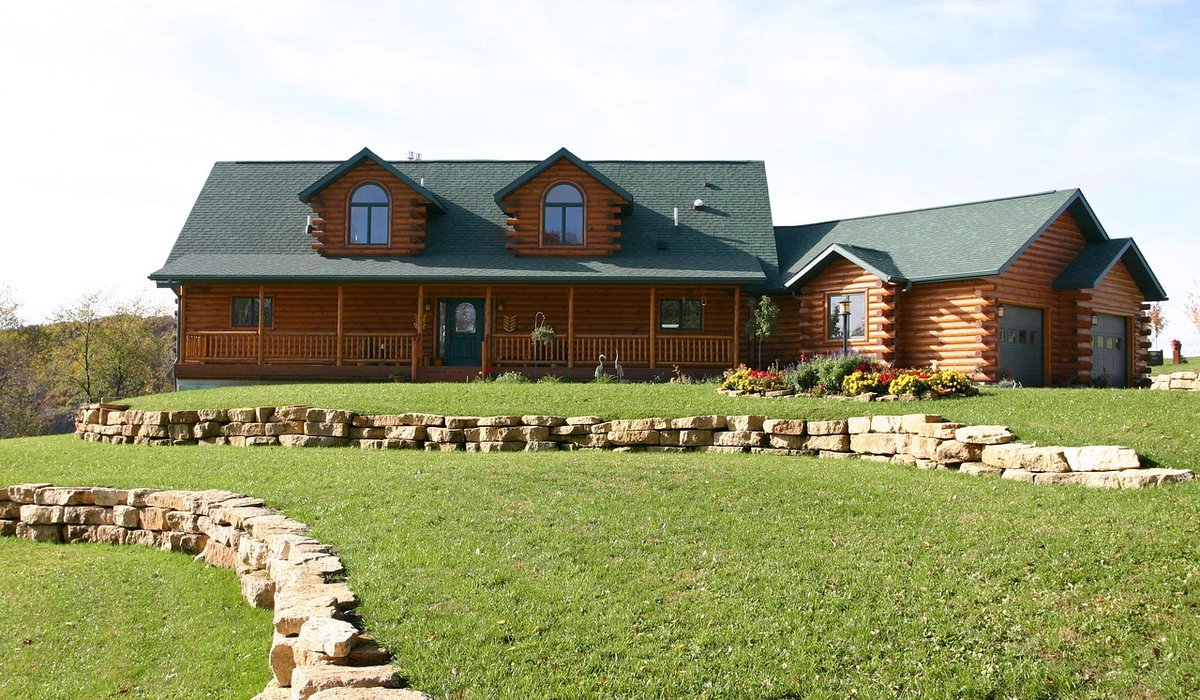
There is something special about living within earshot of the sea. The light is better, the air feels fresher, and even a grey January morning has a certain drama to it. But that same salty, wind-driven air is quietly working on your property every single day of winter. Coastal homes and mews properties face a combination of challenges that inland houses simply do not: salt spray that eats into metal fixings, driving rain that finds every gap, and damp that lingers long after the storm has passed. The good news is that most of the damage is preventable, and a bit of attention now will save you a great deal of money later.
Why Winter Hits Coastal Properties Harder
Salt is the main culprit. Airborne salt crystals settle on roofs, walls and metalwork, and when they combine with moisture they accelerate corrosion dramatically. A fixing that would last thirty years inland can fail in ten on an exposed seafront. Add wind-driven rain, which can push water horizontally into places rain would never normally reach, and you have a recipe for slow, hidden deterioration.
Mews living brings its own quirks. Mews houses are often tightly packed, with narrow courtyards, shared walls and limited access to the rear of the property. That means water sits in sheltered corners where it never quite dries, and it means you may not be able to get a ladder where you need one. It is worth talking to neighbours about shared maintenance, particularly where gutters and drainage serve more than one property.
Roofs and Chimneys: Your First Line of Defence
Start at the top and work down. On a calm, dry day, take a pair of binoculars into the garden or the mews courtyard and look carefully at the roof line. You are checking for slipped or cracked tiles, lifted ridge tiles, and any sign of mortar crumbling around the chimney stack.
If it is safe and you have the right equipment, a closer inspection is better. Look for:
- Displaced or broken slates and tiles, particularly after a gale
- Cracked or missing mortar on ridge and hip tiles
- Chimney pots that have shifted or lost their cowl
- Flashing around chimneys, dormers and parapet walls, which is a common leak point
- Rusted or loose fixings, which corrode far faster in coastal air
Flat roofs on mews garages and extensions deserve particular attention. Standing water is the enemy, and a shallow pond on a flat roof will eventually find its way inside. If water is still sitting there several hours after rain has stopped, the fall needs correcting.
Gutters, Downpipes and Drainage
Blocked gutters are the single most common cause of avoidable damp in coastal homes. When water cannot drain away, it backs up under the eaves, soaks into the fascia and wall plate, and eventually appears as a stain on an internal ceiling. In winter, blocked gutters also hold standing water that freezes, expands and splits the joint.
Clear gutters, hoppers and downpipes once in late autumn and again after the worst of the winter storms. Pay attention to gullies and drains in mews courtyards, which collect leaves and grit from every surrounding roof. If you have a shared drain, agree with neighbours who is clearing it and when. Check that downpipes discharge into a proper gully rather than simply emptying against the wall, and look for salt-driven corrosion at the brackets and joints.
Paintwork, Render and Exposed Timber
Paint is not just decoration on a coastal property; it is a protective skin. Once it blisters or flakes, moisture gets behind it and the substrate starts to deteriorate. Masonry paint, gloss on window frames, and any exterior wood stain all need checking annually.
- Sand back and spot-prime any bare patches before the worst of the weather arrives
- Check window sills, which take the brunt of wind-driven rain
- Pay attention to south-west facing elevations, which typically weather hardest
- Inspect the base of timber doors and garage doors, where splashback causes rot
- Look at render for hairline cracks that let water into the wall
If you are repainting metalwork, use fixings and fittings in marine-grade stainless steel rather than standard galvanised items. It costs a little more and lasts considerably longer.
Windows, Doors and Ventilation
Draughty windows and doors are more than a comfort issue in winter. Wind-driven rain can be forced through the smallest gap, and persistent damp around a frame leads to rot. Check seals, replace perished mastic, and make sure any trickle vents still open and close properly. A slightly draughty but ventilated home is far better than a sealed, humid one.
Inside, keep an eye on ventilation. Coastal homes often suffer from condensation as well as penetrating damp, and the two can be hard to tell apart. If you notice a musty smell in a mews garage conversion or a downstairs room, deal with it promptly rather than painting over it.
A Simple Winter Routine That Pays for Itself
None of this requires specialist knowledge, just a regular habit. Walk around the outside of the property after every significant storm, look up before you look down, and note anything that has moved or changed. Keep a small pot of exterior filler, a tube of mastic and a torch to hand.
If something is beyond a straightforward fix, particularly anything involving height, ladders in high winds, or work on a shared mews roof, call in a qualified tradesperson. The cost of a professional survey and minor repair is a fraction of what a failed roof or a rotten wall plate will cost to put right in the spring. Look after the fabric of your coastal home through the winter, and you will be able to enjoy everything the seaside offers for many years to come.


Coding is used in almost all aspects of life and work now, be it directly or indirectly. It’s not just for companies in the tech sector. “An increasing number of businesses rely on computer code,
Coding is used in almost all aspects of life and work now, be it directly or indirectly. It’s not just for companies in the tech sector. “An increasing number of businesses rely on computer code,
Coding is used in almost all aspects of life and work now, be it directly or indirectly. It’s not just for companies in the tech sector. “An increasing number of businesses rely on computer code,